

Table of Contents
- What Limited Edition Giclée Prints Are
- How Giclée Printing Works and Why It Matters
- Giclée Prints vs Original Art: Understanding the Differences
- Are Giclée Prints Worth It? Value and Affordability
- Limited Edition vs Open Edition Prints: What Sets Them Apart
- Collectability, Resale Value, and Investment Potential
- How to Authenticate a Limited Edition Art Print
- Care, Display, and Longevity of Your Giclée Investment
- Frequently Asked Questions
Last Updated: October 11, 2026
What Limited Edition Giclée Prints Are
A limited edition giclée print is a high-quality art reproduction created using inkjet technology, produced in a predetermined quantity and then retired. Unlike open edition prints that can be reproduced indefinitely, limited edition giclées come with a specific print run, say, 250 copies, after which the artist stops production.
The term "giclée" comes from the French word "gicler," meaning "to spray." The process uses archival-quality pigment inks sprayed onto fine art paper or canvas, capturing the color fidelity and detail of the original artwork. At Just Art by John, our limited edition giclée prints combine this precision technology with curated artistic vision.
What makes limited edition giclées compelling is the combination of affordability and authenticity. They bridge the gap between original paintings and mass-produced prints. You get museum-quality color accuracy and longevity without the five-figure price tag of an original artwork. The edition number creates a tangible sense of ownership: you own copy 47 of 250, not just "a print of this image."
How Giclée Printing Works and Why It Matters
Giclée printing begins with a high-resolution digital scan or photograph of the original artwork. This digital file is color-corrected to match the original as closely as possible, then sent to specialized inkjet printers that spray microscopic droplets of pigment onto the chosen substrate, canvas, watercolor paper, or fine art paper.
The technology matters because precision directly affects longevity and visual impact. Archival pigment inks (not dye-based inks) resist fading for decades when properly displayed and stored. The printer deposits ink in multiple passes, building color depth and detail that standard printing cannot achieve. Fine art papers and canvas receive the ink differently than commercial paper, absorbing it in ways that create the visual depth you'd see in an original painting.
At Just Art by John, each giclée print is produced with color-critical standards. Our process ensures that a giclée of one of John Cranshaw's paintings reproduces the original's warmth, saturation, and nuance. This is why limited edition giclées from serious artists command higher prices than generic reproductions: the technical execution directly preserves the artist's vision.
The edition size is intentional. Once the edition closes, no more prints are produced from that digital file.
Giclée Prints vs Original Art: Understanding the Differences
An original painting is a one-of-a-kind work created directly by the artist's hand. It carries the artist's physical gesture, impasto, and material choices. Original artwork commands premium prices, often thousands of dollars, because of its uniqueness and the time invested in creation.
A limited edition giclée print is a reproduction of that original, created through inkjet technology. The print reproduces the image with high fidelity but lacks the physical texture and hand-made qualities of the original. However, it costs a fraction of the original price while maintaining color accuracy and archival stability.
The practical difference comes down to budget and intent. If you're building a serious art collection and have five figures to spend, an original painting from John Cranshaw offers one-of-a-kind status and potential appreciation. If you want museum-quality art for your home or office at an accessible price point, a limited edition giclée print delivers visual impact without the investment barrier.
Consider the economics: a limited edition giclée of comparable subject matter costs $149-$175 at Just Art by John. You're paying for reproduction quality and edition exclusivity, not the hand-created original. For many collectors, this trade-off is the entire appeal, you get genuine art without overextending your budget.
Are Giclée Prints Worth It? Value and Affordability
Limited edition giclée prints offer genuine value if you understand what you're purchasing. The affordability factor is real: a high-quality giclée costs significantly less than an original painting, making fine art accessible to collectors with modest budgets. You're acquiring a numbered, signed reproduction with archival longevity, not a poster or mass-market print.
The value proposition hinges on three factors: print quality, edition scarcity, and artist reputation. A giclée from an established artist with a limited edition run holds more collectability than an open edition from an unknown artist. Quality matters too, pigment inks and fine art substrates ensure your print resists fading and maintains visual appeal for decades.
At Just Art by John, our limited edition giclées start at $149 for pieces like Nature's Colors and go up to $175 for larger formats such as The Heartbeat of New Orleans or Electric Nashville. These price points reflect the production quality, the artist's reputation, and the edition exclusivity. You're paying for genuine limited edition status, not just a print.

The affordability advantage becomes clear when you compare total cost of ownership. For homeowners and emerging collectors, the giclée delivers significant visual impact at an accessible cost.
Limited Edition vs Open Edition Prints: What Sets Them Apart
An open edition print can be reproduced indefinitely. The artist or publisher can print copies whenever demand exists, with no production ceiling. Open editions are typically cheaper because there's no scarcity premium. You might find open edition art prints for $20-$50 online.
A limited edition print has a fixed production run, say, 250 copies. Once that number is reached, production stops permanently. Each copy is numbered (e.g., 47/250) and signed by the artist. This scarcity creates exclusivity and collectability that open editions cannot match.
The practical consequence is resale value and appreciation potential. A limited edition giclée print from an artist with growing reputation may hold or appreciate in value over time.
For collectors, limited edition status matters. It signals that you own one of a finite set of reproductions. If the artist gains prominence, early-edition copies become more desirable.
Giclée – Peaceful Easy Feeling →
At Just Art by John, all our limited edition giclée prints come with edition numbers and artist signatures, ensuring you own a genuine limited piece. This distinction separates our offerings from generic art reproductions available through mass-market retailers.
| Feature | Limited Edition Giclée | Open Edition Print | Original Painting |
|---|---|---|---|
| Production Run | Fixed (e.g., 250 copies) | Unlimited | One-of-a-kind |
| Price Range | $149-$175 (Just Art by John) | $20-$50 | $2,000-$8,000+ |
| Scarcity | High | None | Absolute |
| Collectability | Strong | Minimal | Maximum |
| Resale Potential | Moderate to High | Low | High |
| Longevity | 50+ years (archival inks) | 10-20 years (varies) | Indefinite (with care) |
Collectability, Resale Value, and Investment Potential
Limited edition giclée prints have genuine collectability when three conditions are met: the artist has established reputation, the edition size is modest (under 300), and the subject matter has enduring appeal.
Collectability doesn't mean your giclée will double in value in five years. It means that if the artist gains prominence, early edition copies become more sought-after. This is the same logic that drives original art collecting.
Resale value depends on artist trajectory and market demand. An emerging artist whose work gains significant recognition over time may see their limited edition prints appreciate. However, realistic expectations matter: most limited edition giclées appreciate modestly or hold value rather than dramatically increase. They're collectible art pieces that may appreciate if the artist's reputation grows.
At Just Art by John, John Cranshaw's work spans nature-inspired themes, music and cultural scenes, and fine dining establishments, subjects with broad, enduring appeal. Limited edition prints of his work hold collectability potential.
The investment angle is secondary to the primary benefit: owning beautiful, museum-quality art at an accessible price. If appreciation happens, it's a bonus. If your giclée simply holds value and brings you aesthetic pleasure for decades, that's the real return on investment.
How to Authenticate a Limited Edition Art Print
Authenticating a limited edition giclée print means verifying that you're purchasing a genuine limited edition from the artist or authorized seller, not a counterfeit or misrepresented open edition.
Look for these authentication markers:
- Edition number and signature: A genuine limited edition giclée is numbered (e.g., 47/250) and signed by the artist. The signature should match the artist's documented signature style.
- Certificate of authenticity: Reputable sellers include a certificate stating the edition size, print number, and artist confirmation. This document adds provenance and resale credibility.
- Substrate quality: Authentic giclées use fine art paper or gallery-wrapped canvas, not standard poster paper. The print should feel substantial, with visible texture and depth.
- Color fidelity: The print's colors should be vibrant and consistent. Fading or color inconsistency suggests inferior inks or improper storage.
- Seller reputation: Purchase from established galleries, artists directly, or authorized retailers. Just Art by John provides transparent information about each print's edition size and artist authentication.
When buying limited edition giclées, verify the seller's credibility. Ask whether the print comes with a certificate of authenticity. Legitimate sellers stand behind their edition claims.
Care, Display, and Longevity of Your Giclée Investment
A properly cared-for limited edition giclée print lasts 50+ years without significant fading, thanks to archival pigment inks and quality substrates. However, display conditions directly affect longevity.
Display best practices:
- Avoid direct sunlight: UV rays fade pigment inks over time. Display your giclée in indirect light or use UV-protective glass if sunlight exposure is unavoidable.
- Control humidity: Moisture damages both paper and canvas. Maintain indoor humidity between 30-50% to prevent warping or mold growth.
- Temperature stability: Avoid extreme temperature fluctuations. Keep your print in climate-controlled environments away from heating vents or cold exterior walls.
- Proper framing: Use acid-free matting and archival-quality framing materials. Gallery-wrapped canvas prints (like those from Just Art by John) are pre-mounted and ready to hang, eliminating framing concerns.
- Dust protection: Clean your print gently with a soft, dry cloth. Avoid moisture or harsh chemicals that damage the ink or substrate.
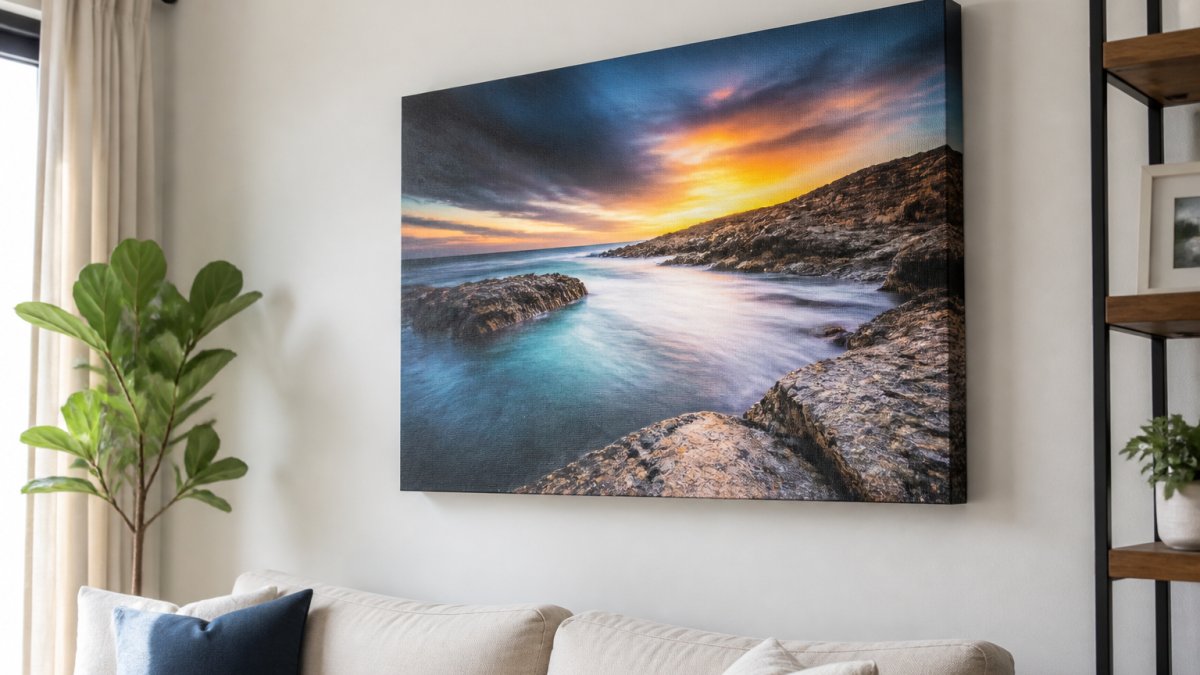
Gallery-wrapped canvas giclées, like Peaceful Easy Feeling or The Heartbeat of New Orleans from Just Art by John, arrive ready to display. The canvas is stretched and wrapped around wooden bars, then sealed to resist dust and minor moisture. This finish extends longevity compared to framed paper prints.

Limited edition giclée prints represent a meaningful investment in your home or office aesthetic. They deliver museum-quality art at accessible prices while maintaining genuine scarcity and collectability. Whether you're building your first art collection or adding to an established one, understanding the benefits of limited edition giclées helps you make confident purchasing decisions.
When you're ready to explore limited edition giclée prints that combine artistic vision with accessible pricing, Just Art by John offers a carefully curated collection created by artist John Cranshaw. Each piece, from nature-inspired subjects like Nature's Colors to cultural scenes like Electric Nashville and The Heartbeat of New Orleans, arrives as a gallery-wrapped canvas ready to transform your space. Browse our full collection and discover the perfect limited edition giclée print for your home or office.
Frequently Asked Questions
What are the main benefits of buying a limited edition giclée print?
Limited edition giclée prints offer several advantages: they combine affordability with high-quality reproduction, provide exclusivity through restricted edition sizes, and deliver color accuracy and archival longevity comparable to fine art. Unlike open editions, limited runs create scarcity, which supports collectability and potential resale value. Pieces like Nature's Colors or Electric Nashville start at $149-$175, making fine art accessible without the five-figure investment of originals.
Are giclée prints worth buying compared to original artwork?
Giclée prints deliver exceptional value if your priority is visual quality, affordability, and accessibility. Original paintings command higher prices and unique provenance, but giclée prints reproduce color fidelity and detail that satisfy most collectors and interior designers. For budget-conscious buyers, aspiring collectors, and those seeking specific imagery, limited edition giclées offer a financially accessible entry point. The choice depends on your budget, space, and whether you value one-of-a-kind uniqueness or reproduced artistry.
How can you tell if a limited edition giclée print is authentic?
Verify authenticity by checking for the edition number and artist signature. Reputable galleries like Just Art by John provide signed giclées with transparent production details. Request provenance information and confirm the artist's background. Be cautious of sellers offering vague edition information or refusing to disclose edition size.
Do limited edition giclée prints hold or increase in value over time?
Limited edition giclée prints can hold value and occasionally appreciate, particularly if the artist gains recognition or the edition size is genuinely restricted. Resale value depends on artist reputation, condition, demand, and market factors, not all prints appreciate. Realistic expectations: treat a giclée as a long-term decoration and potential modest investment. Collectability increases when pieces are signed, numbered, authenticated, and properly maintained.