

Table of Contents
- Start with Prints and Editions to Begin Collecting Fine Art on a Budget
- Where to Find Affordable Art Online Without Sacrificing Quality
- Understanding Giclèe Print Quality Standards Before You Buy
- How to Verify Art Authenticity and Provenance for Lower-Cost Works
- Investing in Emerging Artists: Finding the Next Big Name
- Minor Works by Major Artists and Auction House Strategies
- Smart Buying: Installment Plans, Framing, and Art Insurance
- Build Your Collection Around Personal Taste and Living Space
- Frequently Asked Questions
Last Updated: September 7, 2026
Collecting fine art on a budget is less about how much you spend and more about how strategically you buy. The common fear is that owning original artwork requires deep pockets, but the real barrier is usually a lack of knowledge about where value hides in the market. This guide from Just Art by John breaks down the practical pathways into collecting fine art, from museum-quality prints to emerging artist originals, so you can build a meaningful collection without financial strain.

Collecting fine art is a discipline of patience and research rather than pure wealth. Many new collectors make the mistake of waiting until they can afford a "significant" piece, when they could have spent those years learning the market and acquiring works that appreciate quietly. Below, we'll show you exactly how to start small, verify what you buy, and make choices that reward you aesthetically and financially over time.
Start with Prints and Editions to Begin Collecting Fine Art on a Budget
The smartest entry point into collecting fine art on a budget is the limited edition print. Unlike mass-produced posters, limited edition prints are signed, numbered, and produced in small runs, giving them scarcity and collectible status. A signed print from a respected artist typically costs a fraction of an original painting while retaining the artist's distinct visual language.
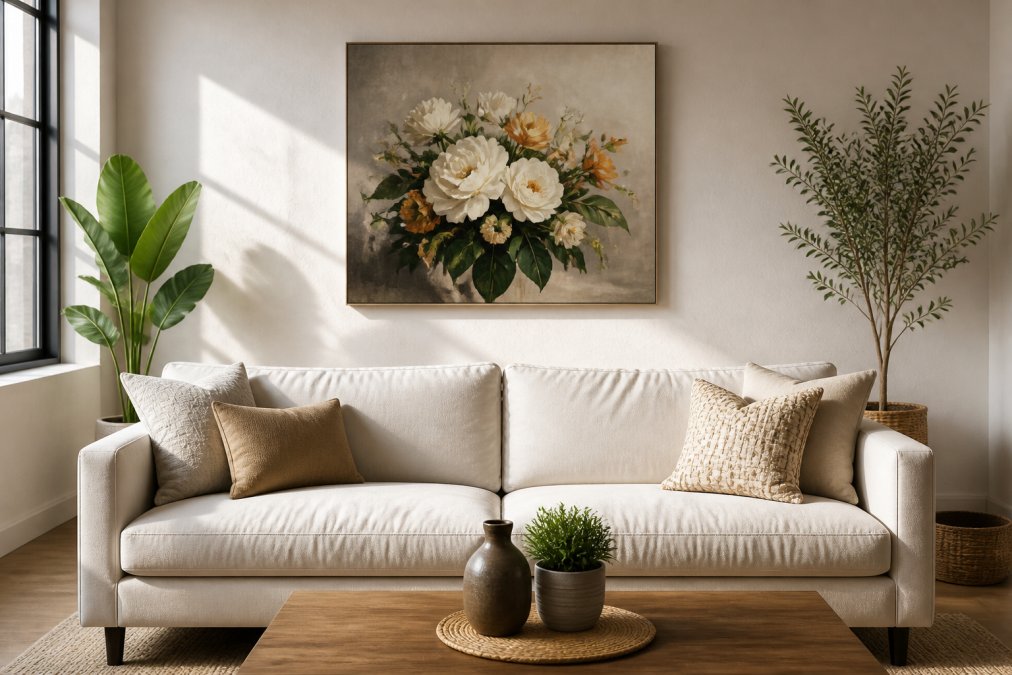
Giclèe prints, in particular, have become the standard for fine art reproductions because they capture the texture and tonal depth of the original work. When you purchase a gallery-wrapped canvas giclèe, you are buying a piece that is archivally sound and ready to hang without additional framing costs. For example, Just Art by John offers original giclèe works like the striking Dark Flower on a Wall "Giclèe" canvas at $325.00, a price point that lets new collectors own a dramatic, museum-quality piece immediately.
The key is to treat prints as serious art, not decoration. Buy what speaks to you, but verify the edition size and whether the artist signed it. A print from an edition of 50 holds more long-term potential than one from an open edition of thousands.
Where to Find Affordable Art Online Without Sacrificing Quality
Online galleries have democratized access to fine art, but they also demand sharper discernment from buyers. The primary market, where artists sell directly or through their own galleries, offers the most authentic connection to a creator's vision at the fairest prices. Secondary markets and auction platforms can yield bargains, but they carry higher risk of misattribution or inflated condition issues.
Look for online galleries that provide detailed imagery, honest condition reports, and transparent provenance. A reputable seller will tell you exactly what you are buying, whether it is an original painting or a high-quality reproduction. The Federal Trade Commission guidance on online art purchases emphasizes verifying seller identity and return policies before committing to a transaction, which is especially relevant for high-value items.
When comparing options, consider what you are actually paying for. A $325.00 giclèe from a working artist like John Cranshaw at Just Art by John includes the artist's original composition and creative direction. A cheaper mass-produced print from a big-box retailer is a copy of a copy, often with no connection to the artist who made the image. That distinction matters if you care about the integrity of your collection.
Understanding Giclèe Print Quality Standards Before You Buy
Giclèe print quality standards determine whether your investment will look stunning for decades or fade into a shadow of itself within a few years. A true giclèe is printed with archival pigment inks on cotton rag or canvas substrates, producing a wide color gamut and exceptional longevity. The term is often misused, so you must verify the printing process rather than trust the label.
When evaluating a giclèe, check three things: the ink type, the substrate, and the printer resolution. Pigment-based inks resist fading and color shifting far better than dye-based inks. Archival canvas or cotton paper provides a stable base that will not yellow or degrade. Printer resolution of 1440 DPI or higher ensures that fine tonal gradations and details remain crisp. These standards are the difference between a fine art print and a poster, and they directly affect the resale potential of your piece.
The physical finish also affects longevity. A gallery-wrapped canvas, like the Red Flowers in a Meadow "Giclèe" available for $325.00, is stretched over wooden bars and ready to hang. This eliminates the cost and hassle of professional framing while protecting the canvas edges from wear. For a piece meant to last decades in your home, this is a practical and aesthetic advantage.

How to Verify Art Authenticity and Provenance for Lower-Cost Works
Authentication is not just for six-figure masterpieces; it protects every level of the art market. Provenance, the documented history of an artwork's ownership, is your primary tool for verifying authenticity. For lower-cost works, a clear chain of custody from the artist to the current seller is often sufficient evidence of legitimacy.
For original works, request documentation that includes the artist's signature, a certificate of authenticity, and any exhibition history. For prints, the certificate should state the edition size, the total number printed, and the artist's signature on the piece itself. If you are buying from a gallery that represents the artist directly, the provenance is inherently stronger because the chain is short and verifiable.

When buying from auction houses or secondary dealers, request a condition report alongside the provenance. This document details any restoration, damage, or wear, which materially affects value. A piece with clean provenance and a solid condition report is a safer investment than a mystery work with a compelling story.
Investing in Emerging Artists: Finding the Next Big Name
Investing in emerging artists is the highest-risk, highest-reward strategy in collecting fine art on a budget. The goal is to identify artists whose work resonates with you before the market catches on, then hold the work as their career develops. Art school exhibitions and local gallery openings are fertile ground for discovering fresh talent, as these venues showcase artists before commercial galleries sign them.
When evaluating an emerging artist, look for consistency of vision and technical skill across a body of work. A single striking piece is less promising than a series that explores a coherent theme with growing sophistication. The U.S. Copyright Office guidance on visual art registration notes that registering your artwork provides legal protection and establishes a public record of creation, which is a useful signal of an artist's professionalism.
Building relationships with emerging artists directly can also yield financial advantages. Many artists offer payment plans or reduced prices for early collectors who commit to their work. You gain access to their evolving practice, and they gain a patron who believes in their trajectory. This is the foundational relationship of the primary art market, and it is available to collectors at every budget level.
Minor Works by Major Artists and Auction House Strategies
The secondary market offers a sophisticated path into collecting fine art on a budget: minor works by major artists. These include sketches, studies, small prints, and preparatory drawings that carry the artist's name and hand but sell at a significant discount to their major canvases. For collectors who value connoisseurship, these pieces offer an entry into blue-chip names without blue-chip prices.
Auction houses are the primary venue for this strategy, but they require careful preparation. Before bidding, research the artist's market history and the specific work's provenance. Set a maximum bid that includes the buyer's premium, which typically ranges from 20-30% on top of the hammer price. The Uniform Commercial Code provisions on auction sales establish that auction sales are generally final, with limited recourse for buyers, so your due diligence before the sale is critical.
Auction strategy favors the patient. Works that fail to sell at one auction often reappear at a lower estimate in the next. Tracking these cycles allows you to acquire a piece below its initial market expectation. The risk is that a "minor work" may also be a weak work, so focus on pieces that clearly demonstrate the artist's hand and thematic concerns, not merely their signature.
| Strategy | Entry Cost | Risk Level | Best For |
|---|---|---|---|
| Limited Edition Prints | Low | Low | First-time buyers building confidence |
| Emerging Artist Originals | Low-Moderate | High | Collectors seeking appreciation potential |
| Minor Works by Major Artists | Moderate | Medium | Connoisseurs valuing established names |
| Giclèe Canvas Reproductions | Low | Very Low | Homeowners prioritizing aesthetics |
Smart Buying: Installment Plans, Framing, and Art Insurance
The hidden costs of collecting extend beyond the purchase price, and ignoring them undermines your budget. Framing, conservation, and insurance are recurring expenses that many new collectors fail to plan for. Addressing them strategically keeps your collection affordable over the long term.
For framing, DIY options have improved dramatically. Pre-made frames in standard sizes, paired with archival mats and backing boards, protect your prints without requiring a professional framer. For works on paper, always use acid-free materials to prevent yellowing and deterioration. For canvas works, gallery wrapping eliminates framing costs entirely, which is why many collectors prefer canvas giclèes for their first purchases.
Art insurance is often overlooked for lower-value collections, but it is worth considering once your collection reaches a meaningful value. Many homeowner's policies cover art up to a modest limit, but you may need a rider for higher-value pieces. The cost is typically a small percentage of the artwork's value annually, and it protects against theft, fire, and accidental damage. Document your collection with photographs and receipts to facilitate any future claims.
Payment flexibility also matters. Many galleries offer installment options that make higher-value originals accessible. Spreading the cost over several months allows you to acquire a piece you love without disrupting your cash flow, a practical approach for building a collection steadily.
Build Your Collection Around Personal Taste and Living Space
The most successful collections are not assembled by following market trends; they are built around genuine personal connection and the realities of your living environment. A piece you love living with will always outperform an investment you tolerate, because the daily aesthetic return is the true dividend of collecting.
Before buying, measure your wall space and consider the room's lighting, color palette, and scale. A large, bold canvas like the White Flowers on the Fence "Giclèe" at $325.00 can anchor a living room, while smaller prints work well in hallways or above desks. The goal is integration, not accumulation; each piece should earn its place in your home.
Your taste will evolve as you live with art, and that is a sign of growth, not indecision. The National Endowment for the Arts research on arts participation consistently shows that personal engagement with art deepens appreciation over time. Early purchases may eventually be traded or sold as your eye develops, which is a natural part of the collecting lifecycle.
The discipline of collecting fine art on a budget ultimately rewards those who buy with intention. Each piece should reflect your aesthetic, fit your space, and meet your quality standards. Whether you start with a single giclèe canvas or a small print portfolio, the collection you build will tell the story of your developing eye.
Building a collection is a gradual process, and the challenge is resisting the urge to rush toward what you cannot yet afford. Start with accessible, high-quality works like the giclèe canvases available from Just Art by John, which offer original artistic vision at approachable prices. Every piece you acquire with care and knowledge becomes a foundation for the next, and your confidence grows with each addition. Explore the collection at Just Art by John and begin your collection today with a piece that speaks to you.
Frequently Asked Questions
What is the difference between an original work and a Giclèe print?
An original work is a one-of-a-kind piece created by the artist's hand, such as an original painting. A Giclèe print is a high-quality, archival reproduction of an original artwork, produced with pigment-based inks on fine art paper or canvas. Giclèe prints offer a more accessible price point for collecting fine art, allowing you to own a piece of an artist's work without the cost of the original.
What are the best ways to verify art authenticity when buying online?
Start by requesting a certificate of authenticity from the seller or gallery. For prints, check the edition number and the artist's signature. Research the artist's gallery representation and exhibition history. For higher-value purchases, consider using a third-party art authentication service or appraisal. Legitimate sellers provide clear provenance documentation, so treat vague histories as a red flag.
How can I start collecting fine art with a limited monthly budget?
Set a dedicated monthly amount, even if it's small. Focus on buying fewer, better pieces rather than many low-quality items. Consider limited edition prints from artists you admire, which offer an affordable entry point. Look into installment plans offered by some galleries. Attend local art school exhibitions where emerging artists sell work at accessible prices, and prioritize pieces that genuinely resonate with you over speculative purchases.
Is collecting fine art a good investment for the average buyer?
While some artworks appreciate significantly, treat collecting fine art primarily as a personal investment in your environment and enjoyment. The secondary market is unpredictable, and most works do not yield high returns. Buy art you love living with; any financial gain is a bonus. If investment is a priority, focus on established artists with strong market histories and consult art market reports before purchasing.
What is the 70/30 rule in art collecting?
The 70/30 rule is a common guideline suggesting that collectors should allocate about 70% of their budget to pieces they personally love and 30% to works they believe have strong investment potential. This approach balances the emotional and financial aspects of building a collection. It helps new collectors avoid over-prioritizing speculative gains while still engaging with the art market's financial dynamics.