

Table of Contents
- Why Emerging Art Collectors Need Alternatives to Artspan
- Best Online Art Marketplaces for Collectors
- How to Start an Art Collection on a Budget
- Buying Original Art Online Safely
- Comparing Platform Features and Commission Structures
- Building Your Emerging Art Collection Strategy
- Frequently Asked Questions
Last Updated: October 1, 2026
Why Emerging Art Collectors Need Alternatives to Artspan
The platform you choose shapes where you buy, how you discover artists, and how you assess value.
Today's collectors expect direct access to emerging artists, transparent pricing, and evaluation tools.
Just Art by John presents original works directly from the artist, offering curated pieces emerging collectors can trust.
This guide covers what to look for in artspan alternatives emerging art platforms, how to evaluate them, and strategies for building a meaningful collection without overspending.
Best Online Art Marketplaces for Collectors
When evaluating online art marketplaces, focus on three factors: artist roster quality, pricing transparency, and provenance documentation. Direct-to-consumer platforms connect you with artists who control their own sales, typically lowering costs. Commission-based marketplaces take a percentage of each sale, inflating prices significantly.
Just Art by John offers original paintings and fine art Giclèe prints by artist John Cranshaw, with clear information about materials, dimensions, and creative intent.
When comparing platforms, look at:
- Artist vetting standards: Does the platform curate its roster, or accept anyone?
- Commission structures: Are fees transparent and reasonable?
- Return policies: Can you return or exchange work if it doesn't suit your space?
- Provenance documentation: Can you verify authenticity and ownership history?
- Community features: Do you get access to artist backgrounds and collection insights?
Direct-to-Collector Platforms vs. Commission-Based Marketplaces
Direct-to-collector platforms charge lower fees with no middleman markup; you pay the artist's asking price. Commission-based platforms charge 20-40%, inflating costs. The trade-off: commission platforms offer massive selection, while direct platforms are curated with higher quality control.
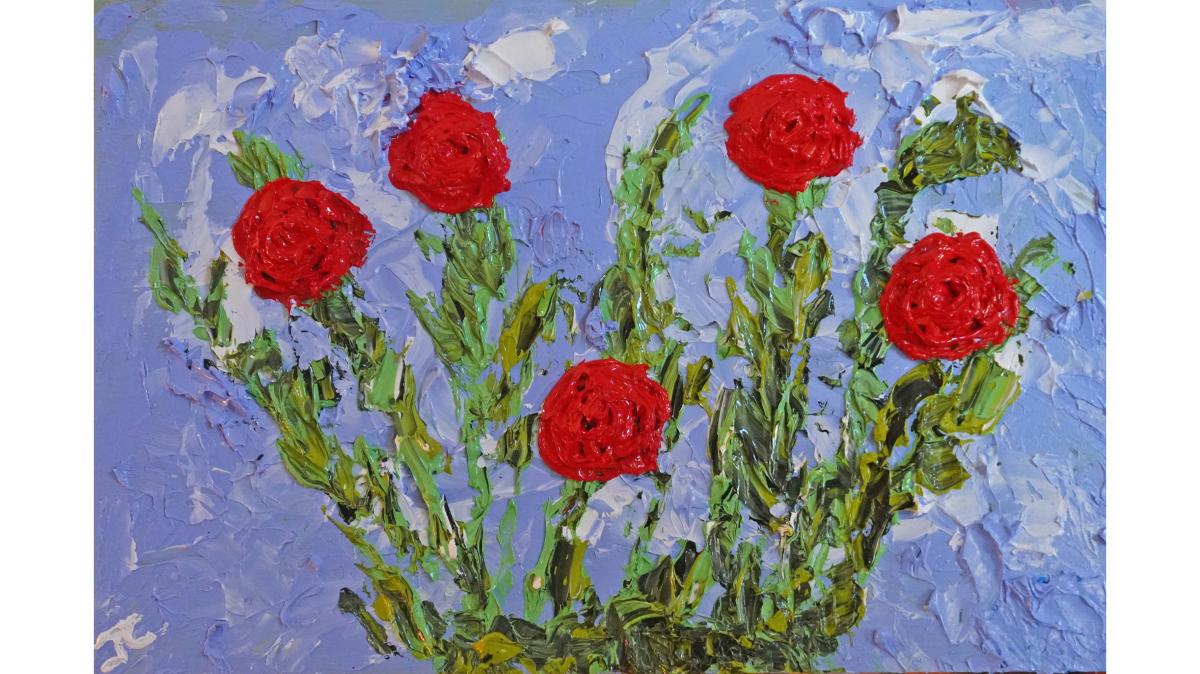
Just Art by John uses the direct model, pricing pieces like Rose Garden ($1,295) and Lime ($2,000) without marketplace markup.

How to Start an Art Collection on a Budget
Starting an emerging art collection requires deliberate approach: understand value, avoid beginner mistakes, and build sustainable purchasing rhythm.
Define Your Collection's Purpose and Constraints
Clarify your purpose: personal enjoyment, investment, or both. This shapes your budget structure. For personal enjoyment, allocate $2,000-5,000 annually on pieces that move you. For investment, concentrate capital on fewer, higher-quality pieces from artists with strong viability markers.
Set a realistic total budget and a per-piece budget. Many emerging collectors allocate between $500 and $5,000 for their first year. This range lets you acquire meaningful original work without overextending.
The Single-Piece vs. Multiple-Pieces Decision
Single-piece approach ($2,000-5,000): Invest in one original from an established emerging artist, creating an anchor piece. Downside: concentrated risk if you later dislike it. Multiple-pieces approach ($500-1,500 each, 3-5 pieces): Spread budget across different artists for diversity. Downside: higher risk from less-established artists. Hybrid approach (recommended): Allocate 50-60% to one anchor piece from a mid-career artist, 40-50% to 2-3 smaller pieces from newer artists.
Building Your First-Year Acquisition Plan
Plan acquisitions over 12 months to prevent overspending. Months 1-2: Research platforms and artists; create a shortlist of 10-15 artists. Months 3-4: Make your first purchase ($800-1,500) from an artist you've followed for a month. Live with it for a month before your next purchase. Just Art by John's Sunday Morning ($1,095) or Rose Garden ($1,295) work well as first acquisitions. Months 5-8: Acquire 2-3 additional pieces ($500-1,200 each) from same or new artists. Months 9-12: Assess your collection and plan next year's acquisitions.

Practical Steps to Avoid Common Beginner Mistakes
Research systematically: Follow artist portfolios directly, read artist statements, and assess production consistency before buying. Buy what you love: Your first acquisition should move you emotionally, not financially. Document meticulously: Keep receipts, artist info, condition notes, and purchase dates. Join communities: Online forums and collector groups teach market context and prevent impulsive decisions. Rotate seasonally: Display 60-70% of your collection at a time; rotate quarterly. Avoid trend-chasing: Buy pieces you'd love even if they never appreciate in value.
Buying Original Art Online Safely
Online art purchases carry real risks: you can't examine brushwork or assess scale through a screen. You're betting on an emerging artist's career trajectory. Protecting yourself requires specific knowledge.
Verifying Artist Credentials and Authenticity
Verify artist credentials: check exhibition history, artist statements, and consistent online presence. Understand what you're buying: original paintings are one-of-a-kind with unique brushwork; fine art Giclèe prints are high-quality reproductions. Both have value but differ in price and product type.
Request detailed product photography: brushwork detail, different lighting, scale reference, and any flaws. Read return policies thoroughly; reputable sellers offer 14-30 day returns or exchanges.
Assessing Emerging Artist Viability: A Collector's Framework
Beyond authentication, the real risk for emerging art collectors is investing in artists whose careers stall. An emerging artist's long-term viability depends on several measurable factors you can evaluate before buying:
Assess emerging artist viability across six factors: Production consistency (monthly or quarterly releases signal active engagement); Exhibition history (gallery, museum, or nonprofit shows signal institutional validation); Price trajectory (stable or gradual increases are healthy; volatility signals instability); Career stage (5-10 years of practice is safer than 1-2 years); Artist narrative (coherent artist statements signal clear vision); Peer recognition (mentions in art publications or collector forums indicate market support). Just Art by John's pricing ($995-$2,000) reflects consistent positioning.
Artists scoring well across most viability factors are lower-risk investments. Consistent production, exhibition history, stable pricing, 8+ years of practice, clear vision, and peer recognition indicate career sustainability.
Just Art by John's artist, John Cranshaw, demonstrates consistent production of original paintings and fine art prints, clear artistic vision expressed through recurring themes (nature, color, emotional landscapes), and stable pricing. These fundamentals offer an entry point for emerging collectors.
Logistics, Shipping, and Insurance Costs
Emerging collectors often overlook hidden costs. Shipping: $75-250 domestically for small-to-medium paintings. Insurance: 1-3% of artwork value annually ($20-60 for a $2,000 painting). Framing: $300-800 for professional framing. Appraisal: $150-400 per piece if needed. Climate control: Stable temperature and humidity required. Add 20-30% to purchase price for shipping, framing, and first-year insurance. A $1,500 painting's true cost is closer to $1,800-1,950.
Comparing Platform Features and Commission Structures
Commission structures vary dramatically across platforms, and these differences compound when building a collection.
Direct platforms like Just Art by John typically charge no marketplace commission, you pay the artist's price plus shipping.
Beyond commissions, evaluate these features:
| Feature | Direct Platforms | Commission Marketplaces |
|---|---|---|
| Price transparency | Artist sets price directly | Commission added to final cost |
| Artist communication | Direct contact possible | Through platform only |
| Provenance documentation | Artist-verified | Platform-managed |
| Return flexibility | Artist-determined | Platform policy |
| Collection tools | Limited | Often strong |
| Artist discovery | Curated | Algorithm-driven |
Direct platforms excel at transparency and artist relationships. Commission marketplaces offer better discovery tools and broader selection.
Just Art by John's pricing model eliminates commission overhead. Original paintings range from $995 to $2,000, with no additional marketplace fees.
Building Your Emerging Art Collection Strategy
A coherent collection strategy prevents impulse purchases and helps you build something meaningful over time.
Start by identifying your collection's throughline.
Document your collection methodically. For each piece, record:
- Artist name and background
- Title and date of creation
- Medium and dimensions
- Purchase price and date
- Condition notes
- Location in your home
- Why you purchased it
This documentation serves multiple purposes. It helps you remember why you loved a piece when you're deciding where to display it.
Rotate your collection seasonally. Emerging collectors often have more work than wall space.
Just Art by John's diverse collection supports focused collecting strategies. If you're drawn to nature-inspired work, pieces like Rose Garden ($1,295) and Dreaming of My Flowers ($1,095) create a cohesive aesthetic. If you prefer bold, energetic abstraction, Lime ($2,000) offers color and movement that anchors a different collection approach.

Consider your space's lighting, wall color, and scale when building your strategy. A painting's appearance changes dramatically under different light.
Building an emerging art collection requires patience, intentionality, and access to platforms that prioritize your interests over commission structures. Just Art by John eliminates the commission markup and connects you directly with original artwork from a working artist. Our curated collection of original paintings and fine art Giclèe prints offers emerging collectors meaningful entry points without inflated marketplace fees. Start with a piece that genuinely moves you, Sunday Morning, Rose Garden, or Lime, and build your collection from there. View cart to explore original works designed for collectors who value authenticity and artistic integrity.
Frequently Asked Questions
What makes an Artspan alternative better for emerging art collectors?
The best alternatives offer lower commission fees, clearer artist provenance information, and more transparent pricing structures. Many emerging collectors prefer platforms that feature direct relationships with artists, allowing you to understand the creative background and see how pieces are authenticated. Platforms emphasizing contemporary art and emerging artists typically provide better curation for collectors building their first collections, with educational resources about art valuation and acquisition.
How do I know if an online art marketplace is safe for buying original art?
When buying original art online safely, verify the platform's authentication practices, check artist credentials and portfolio history, and review their return and insurance policies. Look for marketplaces that provide detailed provenance documentation and clear information about how pieces are verified. Read collector reviews and confirm the platform has secure payment processing. Reputable platforms display artist backgrounds, exhibition history, and collector testimonials to build trust in the authenticity of emerging art.
Can I start an art collection with a limited budget?
Yes. Starting an art collection on a budget means focusing on limited edition prints, smaller original works, or emerging artists whose work is priced lower than established names. Many platforms offer pieces ranging from $300 to $1,500, making fine art accessible. Original paintings like those available through curated galleries often start around $995, while prints offer even more affordable entry points. Prioritize artists whose work resonates with you personally rather than chasing investment potential as a beginner.
What should I look for when comparing online art marketplaces?
Evaluate commission fees (typically 10-40% depending on the platform), the quality of artist curation, platform usability, payment security, and return policies. Check whether the marketplace specializes in contemporary art or emerging artists. Compare how they handle provenance documentation and art authentication. Look at their collector community features and whether they provide resources for learning about art valuation. Direct-to-collector models often offer better pricing than gallery intermediaries.